I am keen to point out that I’m not a Baby Boomer. I’m Gen X but even we are still substantially better off than the Millennials, Gen Z or Gen Alpha. One of my pupils asked this week what Generation they were, I stated that children born after 2010 are Gen Alpha. They asked if the Alpha stood for ‘Abandoned’, I reassured them that the A stood for ‘Action’. It’s always good to stay upbeat in an emergency.
Dig for victory
Apparently Generation X are “independent, sceptical folk who grew up during the rise of personal computers and the internet and are known for their strong work ethic and tendency to question authority” (lol). Fast forward to Generation Alpha, who are described as “digital natives who were practically born with smartphones in their hands”. You might think this would stand them in good stead but I worry endlessly about their ability to think creatively or critically as they might not always have access to the internet at their fingertips.
When given a task on magnetism last week my Year 8s looked blank. I gave them hints, then an example of how to solve a similar problem, then a full on explanation of the solution. I found it exhausting.
Spoon feeding is not going to prepare young people for the challenges ahead so, for their next lesson, I explained how young British soldiers managed a Great Escape, tunnelling their way out of Stalag Luft III by making a compass and a radio out of bits and bobs found in their barracks and kitchen alongside applying the principles of magnetism. I didn’t tell them most of the escapees were caught and killed but did say that I’d encouraged my own children to be more capable by sending them to Scouts, taking them on camping holidays and teaching them how to build fires. A couple of pupils came to see me at the end of the lesson to ask if I could be their mother. Bless!
Wombles
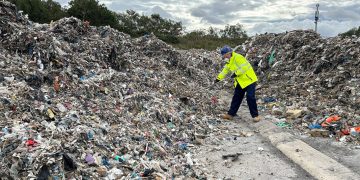
I’m getting mighty tired of litter around school, and even more depressed by the debris over verges on the sides of roads and motorways around the country. When I was a lass the Wombles were on TV. They lived in underground burrows beneath Wimbledon Common in London and were dedicated to cleaning up the environment by collecting and recycling rubbish. They went remarkably quiet for a couple of decades but the earworm, Remember You’re a Womble, still rings in my head when I pick up something cast out by an apathetic person.
Unlike the 70% decline in our biodiversity since 1970 it seems the Wombles are not actually extinct. A ‘Wombles Wanted’ campaign has been launched encouraging people across the UK to join or create Official Wombles Groups in their local areas. Cute but hardly revolutionary. We need a new breed of Wombles on steroids which can push for bigger change whilst using their litter pickers in earnest. Obviously even the Wombles wouldn’t get away with blocking the streets unless they were in a tractor.
Maybe the Wombles can push the Overton Window as far as it will go to promote action and make the polluters pay. Initially, strong climate action or the demand to dramatically reduce plastic production were seen as radical, but as scientific evidence and visible impacts of climate change or plastic pollution grows, public opinion shifts, expanding the Overton Window. These shifts allow for previously unthinkable policies, like Net Zero, carbon pricing and polluter-pays mandates, to enter mainstream discourse.
Politicians now find advocating for action politically viable, thanks to changing public attitudes and grassroots movements but they still seem to dawdle as slowly as a child walking to the Head Teachers office in line for a reprimand. When considering the rate and scale of action since Parliament declared a climate emergency in 2019 Great Uncle Bulgaria would look at the people in power and politics and scold them “Tsk, tsk, tsk, young Wombles”.
Stone Age
Several outspoken media pundits have suggested any move towards Net Zero will throw us back to the stone age. This is quite entertaining as, in the present day, humanity would struggle to evolve out of the stone age as we have destroyed the planetary conditions that allowed us to develop out of the prehistoric era in the first place.
Weather patterns are now far more erratic, we’ve chopped down the majority of our forests and we have poisoned or depleted Earth’s fresh water sources. In the Roman period we mined ores containing a few percent of metal which was possible with relatively basic kilns. Modern processing methods now mean it is economical to mine ores with metal concentrations of less than 0.1%. However, if our energy systems and technology collapse then we would struggle to access the metals and materials we’d need to rebuild civilization.
When the environment shifts and changes, life finds a way to adapt and survive. Imagine a dense forest where every living organism suddenly needs to adjust to new conditions; shorter fur to stay cool, deeper roots to find water, or entirely new ways to thrive. This is how nature works. As climates change or disasters strike, species adapt through tiny incremental changes. These small adaptations, driven by natural selection and mutations, help life thrive in ever-changing surroundings. If we stop destroying our ecosystems, assuming we don’t all die, within a few million years we might be in a better position to thrive again once we poke our heads out of the cave. Maybe next time we might do better without the billionaires.
Nuclear family
There is also much talk of the need for nuclear energy to feed our insatiable energy demands. If society does collapse, nuclear power stations might face a few, shall we say, “minor” issues. Imagine a world where these colossal powerhouses are left to fend for themselves. Immediate shutdowns would probably happen to avoid any catastrophic ‘oopsie’ moments. But without regular maintenance, they could deteriorate faster than your WiFi connection during a bad storm.
Keeping the cooling systems operational would be crucial to prevent a meltdown as nobody wants a repeat of Fukushima. And as for the long-term plan? Decommissioning these reactors would be like trying to assemble IKEA furniture without the instructions: complicated, frustrating, and likely to end in tears. Left unmanaged, these sites could turn into radioactive wastelands, affecting local wildlife and potentially turning our homes and gardens into glow-in-the-dark danger zones. If civilisation falls apart, nuclear power stations definitely won’t be hosting any post-apocalypse parties but could give a whole new meaning to nuclear families.
Despite the catastrophic nuclear disaster in 1986, the Chernobyl Exclusion Zone has become a haven for wildlife. With humans largely absent, many species have flourished. Animals like lynx, bison, deer, and wolves roam the area, and their populations have grown significantly. Even plants have shown remarkable resilience, with trees and other vegetation thriving despite the radiation. This unexpected resurgence of life demonstrates nature’s incredible ability to adapt and recover, even in the most challenging conditions. It’s a sliver of a silver lining given the damage caused but we really don’t want homo sapiens to go extinct.
Bunker mentality
It’s no urban myth that some billionaires are building luxury ‘doomsday’ bunkers and fortified estates as a precaution against potential apocalyptic events. These bunkers are equipped with high-tech features like artificial sunlight and indoor pools, allowing them to survive off-grid for extended periods. However, there’s a concern among these billionaires about the reliability of human staff in such dire situations.
As a result, these ultra wealthy plutocrats are apparently exploring the use of robots and automated systems to maintain security and operations within these bunkers, ensuring they remain self-sufficient and protected even if society collapses. It’s a fascinating and somewhat dystopian glimpse into how the ultra-wealthy are preparing for the worst while trying to mitigate risks associated with human loyalty and control. To think, the rest of us are trying to work out which brand of baked beans is cheap but still tastes okay.
So Hubster has been sketching designs for a more simple and affordable sustainable bunker; the ‘stunker’. He’s even started using AI to refine the model. I’m not sure we’ll ever be able to create one ourselves but, in the event of climate breakdown at least we can say we started to make a plan for resilience. I’ve suggested he adds an Overton window to the architectural drawings.
Note to self: Take the school gardening equipment home for Christmas. It might not be in my job description but a couple of the handles are coming loose on the spades and forks. You can’t expect children to dig for victory with shabby tools.