For many of us, philosophy is a subject that has no bearing on our lives and seems too detached from real life to have any relevance. This year, though, the anniversary has given me pause for thought. I am struck by the realisation that the past few years – especially the peak pandemic years – have been characterised by decisions made by scientists and endorsed by politicians. As a nation, we have been subject to external rules and regulations over which we have had limited control. Perhaps following a more philosophical path is the key to establishing control over the well-being of our mental outlook.
Modern life is rife with uncertainty, fear and anxiety. The pandemic has heightened mental health issues, which have significantly worsened since the first lockdown. According to ONS figures, 2020 saw the highest average rating of anxiety recorded since well-being data collection began in 2011, and it continues to rise. This downward spiral is reinforced by research carried out by the Mental Health Foundation, reporting a sharp rise in mental health issues.
Global conflicts, unemployment, job insecurity, pay freezes, bereavement, and the rising cost of living are all contributory factors to this modern malaise. And all are external events, outside of our sphere of influence. According to Dr Gillian Mandich, founder of The International Happiness Institute of Health Science Research, people are looking to “find frameworks to help them navigate the uncomfortable waters of uncertainty, change, anxiety and fear”.
So, what better time to regain control and start building our mental fortress?
Stoicism
And the dilemma? Which philosophy to adopt as our ‘life hack’. If you’re like me, hedonism beckons. The temptation to indulge in hedonistic escapism is understandably hard to resist. The pandemic taught us that life is short. But hang on a minute – isn’t this the lifestyle choice of Whitney Houston, Elvis Presley and Amy Winehouse? Hedonism didn’t serve them well.
Enter the sensible older sibling of hedonism: Stoicism. The four virtues of Stoicism are wisdom, justice, courage and moderation. Before you yawn, just bear in mind that this philosophy has a pretty impressive following, including the über-cool Keanu Reeves, Tom Hiddleston, Bill Clinton, and Jack Dorsey (former CEO of Twitter). Thriving, all.
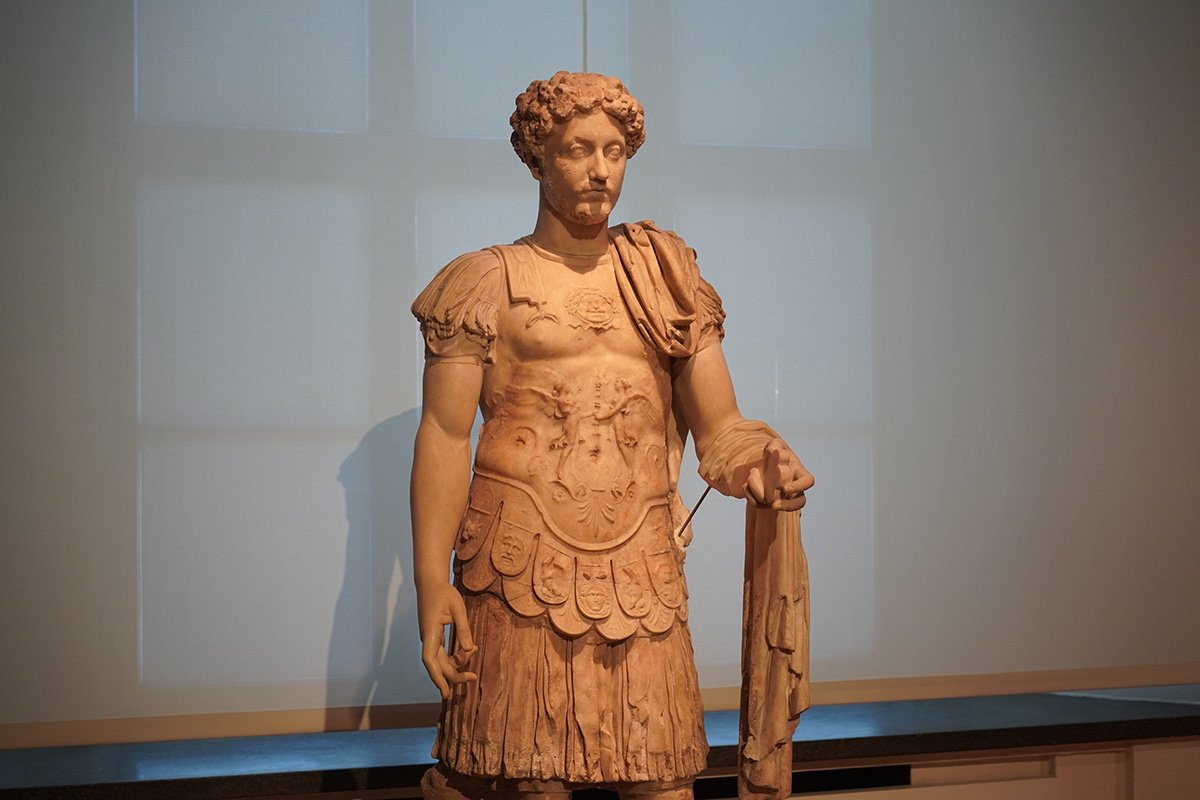
The original champions of Stoicism were Roman emperor Marcus Aurelius, author of Meditations (a kind of bible on dealing with scourges such as anxiety and loss), former slave Epictetus, and Seneca. All three survived challenging events, including wars and plagues. Stoicism was their salvation.
Stoicism teaches us to achieve peace of mind by claiming sovereignty over our thoughts and emotions, thus developing resilience and perspective. It encourages us to keep a journal, be charitable, live in the moment, and quite literally count our blessings. The holy grail is eudaimonia – a Greek word meaning ‘welfare’ and interpreted as a sense of well-being.
It’s easy to see why Stoicism is enjoying a revival. While the outer world is in a constant state of flux, the human condition is unchanging. Human nature is human nature – therefore, the habits of Marcus Aurelius are as relevant today as they were during his lifetime. Two millennia after his death, his philosophy still offers practical advice and daily actions to help us achieve a measured mental state to help us survive tough times. As Dr Mandich asserts:
Stoicism addresses one of humanity’s most enduring questions: what one ought to be or do in order to live well. It can help people to face their fears, become more resilient, wiser, more virtuous, and happier.
Ryan Holiday, host of increasingly popular podcast The Daily Stoic, has over 700,000 followers on Twitter/X and his books about Stoicism in everyday life are receiving rave reviews. And get this: print sales of Meditations rose by 28% cent during the pandemic when compared with 2019 sales figures. And Seneca’s Letters from a Stoic sky-rocketed by 42%, while e-book sales increased by an eye-watering 356%.
So, could I sustain a Stoic lifestyle? As a devotee of Bacchus, Roman god of wine, maybe I’d struggle …
But next time you feel a bit wobbly and in need of dipping into the Stoics’ toolbox, take a deep breath and ask yourself: what would Marcus Aurelius do?

CLICK HERE TO DONATE TO OUR CROWDFUNDER
HELP US BECOME STRONGER SO THAT WE CAN CONTINUE TO DELIVER POWERFUL CITIZEN JOURNALISM!