Rebellions in parliament. Whips lost. Outrage in political circles. The SNP amendment brought by the Aberdeen North MP, Stephen Flynn, to scrap the two-child benefit cap was defeated by 363 votes to 103, a majority of 260.
Seven Labour MPs voted in favour of the opposition motion, a mere drop in the ocean compared to the votes against it, the votes in favour of it and even the over 40 Labour MPs who did not vote at all. But that did not stop a brutal response from the leadership, as the seven MPs were suspended for six months, after which their suspension would be reviewed.
How did this all start?
In 2015, then Conservative Chancellor George Osborne introduced the two-child benefit cap which came into effect in 2017. The two-child benefit cap restricts child tax credit and universal credit to the first two children in most households. With the rising cost of living crisis, this cap has been detrimental to large families and, according to the latest figures from the Department of Work and Pensions, affects 1.6million children.
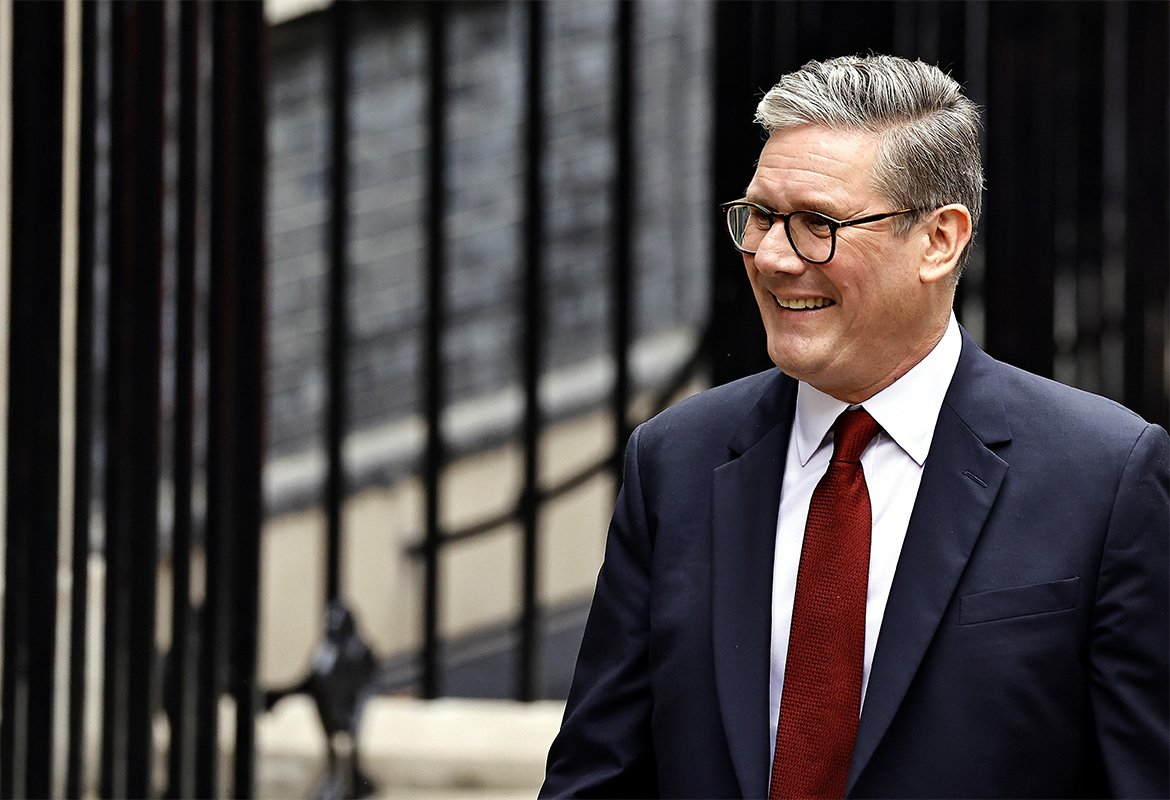
The SNP Westminster leader tabled an amendment to the King’s Speech, calling for the policy to be scrapped. It came as the newly elected prime minister, Keir Starmer, was under pressure to scrap the cap. Yet, the amendment was defeated with government MPs voting to keep it; hardly a surprise given Labour has to clean up a monumental, financial mess left by the outgoing Conservative government. What was surprising, however, was the reaction to the seven Labour MPs who voted to scrap it.
The overreaction
Cast out and sent to the wild, albeit temporarily. This response was harsh. But was it an overreaction? I get it. Keir Starmer had a mountain to climb to take Labour from its worst result since 1935 at the last election to a majority of 174 seats. No easy feat. Tough decisions had to be taken. The bullet had to be bitten. Some questionable choices were made. And it worked, somewhat, in a gamed voting system. We got the government that cared rather than the government that threw us under the bus for greed.
But Labour’s time in opposition is over now. They have a stupendous majority, larger than Boris Johnson’s and five seats off Tony Blair’s famous 1997 majority. The party has proven it can dispel the myths of the mainstream media that it is detrimental to the country. So, temporarily throwing out seven MPs for rebelling against the government was very much an overreaction. Especially when they were a needle in a haystack. Even more especially, when they rebelled to support an opposition amendment that Labour’s core values ideologically support. Rebelling against Labour to be more Labour should not be a punishable offence. Tony Blair didn’t seem to think so when he was in office, so why should Keir?
Not like Labour
I would not have voted with the government: fact. I cannot support the cap, and I’m disappointed that it was kept by the government I endorse.
But I still have faith. I still believe. Because I know what the Labour Party is like, who they really are on a personal level. Kim McGuinness is a great example of this. Our North East Metro Mayor spoke to me about how she wanted to make tackling child poverty the heart of her campaign. When she was selected as the candidate, she did. She spoke about it often and it was front and centre. My local MP is another one. Even before his candidacy, I met and spoke to David Smith a number of times and he struck me as a man who cares, a man who puts community before politics like Keir Starmer wants to put country before party. I don’t agree with the government voting down Stephen Flynn’s amendment, but I know they care, and they will do the right thing when they can, one way or another. The suspensions, however, must not happen again.
The equal and opposite reaction
I spoke of a gamed system. That’s because when Labour won, they won with 560,335, fewer votes than the last election – their worst result since 1935. Over half a million lost votes and seven lost seats. This is because, despite Labour’s good programme for government, they made some unpopular choices and took some questionable stances. These may not have lost them the election, but people remembered and acted accordingly.
My point here is that, if it can happen in a landslide election victory, it can definitely happen again. What’s to stop those who voted for those suspended MPs looking elsewhere? What’s to stop the seven MPs following Jeremy Corbyn’s example? He lost the Labour whip and is now an independent MP responsible for a lost Labour seat in the election. Voters have long memories and, as proven in multiple elections to multiple parties, can and will turn on you in heartbeat. Starmer might demand loyalty from Labour MPs, but he can’t demand loyalty from voters.
Labour is in a tricky position for the near future thanks to fourteen years of Conservative chaos and the order they must restore in its wake. This was merely one example. I disagree with the decision over the cap, but I understand the fragility of the situation. Suspending the MPs was a bad move, however. Starmer may want them to “support the programme we were elected on” but suspending them for acting in a manner akin to core Labour values was a step too far. And voters may invoke Newton’s third law in response.

CLICK HERE TO DONATE TO OUR CROWDFUNDER
HELP US BECOME STRONGER SO THAT WE CAN CONTINUE TO DELIVER POWERFUL CITIZEN JOURNALISM!