



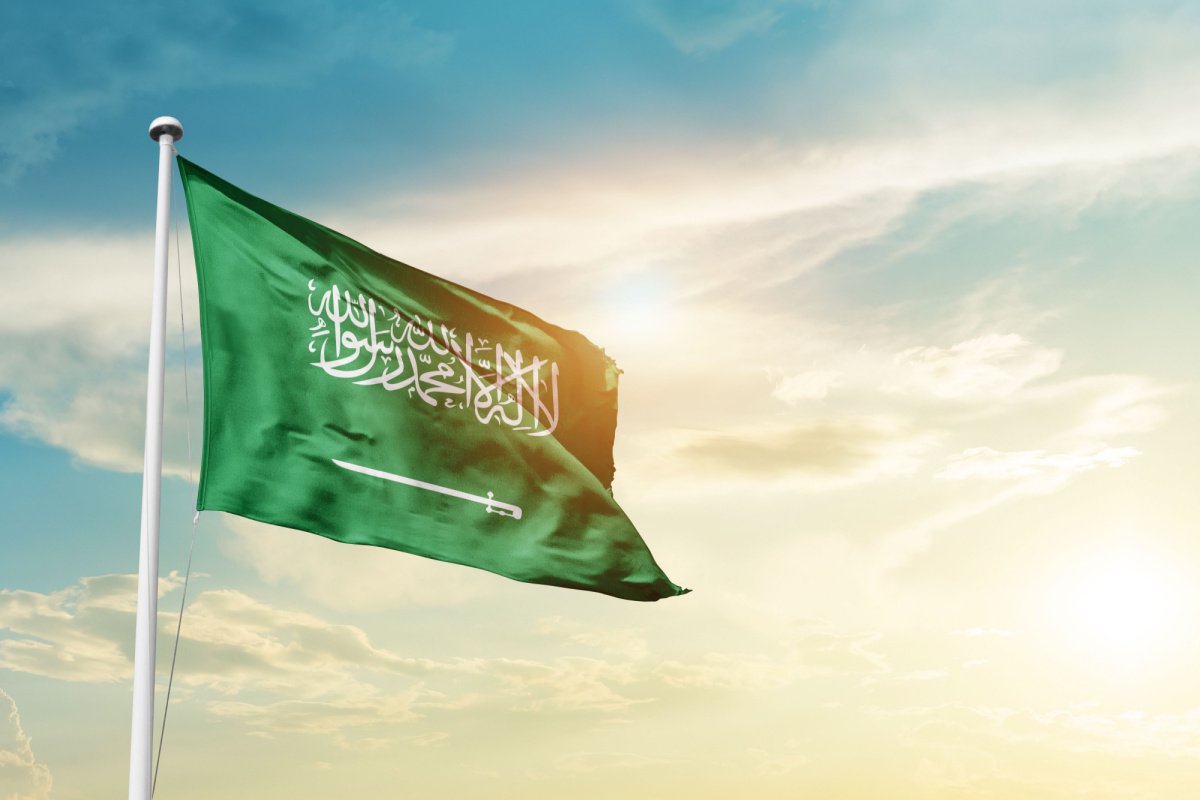
When Newcastle United were taken over by the Saudi Public Investment Fund, there was much talk of how the takeover might encourage the regime in Saudi Arabia to improve their human rights’ record. Indeed, Newcastle United legend Alan Shearer on the day of the takeover in 2021 Said: “Saudi human rights issues ‘shouldn’t be brushed under carpet’”
So, what is the record of the Saudi regime in terms of human rights in the three years since the takeover and has the situation improved?
This report is a snapshot of what has been happening in Saudi Arabia since October 2021 and what was happening during the time previous to the takeover, when negotiations were ongoing. What is written below is merely the tip of a huge iceberg….
Executions including those of innocent people
On 12th March 2022, it was widely reported, including on the BBC, that Saudi Arabia had executed 81 men in one day. It was noted that human rights organisations had said that many defendants do not receive fair trials in Saudi Arabia, an allegation that the Saudi government rejected.
Saudi Arabia executed 100 people since beginning of 2024-July
Middles East Eye discussed on 15th July 2024, that Saudi Arabia had executed 100 people since the beginning of 2024 through to 15 July, according to the European Saudi Organisation for Human Rights (ESOHR. It was further noted that, “according to the rights group, which monitors executions in the kingdom, the rate amounts to an execution nearly every two days, representing a 42 percent increase compared to the same period in 2023, which recorded 172 executions.”
Execution by swords
It was reported in the Metro On 22nd November 2022, that Saudi Arabia had executed 17 people, using swords, in just 12 days. It was noted that this had happened, despite assurances from Crown Prince Mohammed Bin Salman, to curb the use of the death penalty. It was a record high for total capital punishments in a year by the kingdom and 17 men had been killed for ‘drug and contraband offences’ on 31st December 2023.
According to the Middle East Eye, Saudi Arabia had executed four people on New Year’s Eve. These executions had taken the total number of executions carried out in 2023 to more than 170. It was further reported that according to the state-run SPA, the four people executed on 31 December had been convicted of murder, citing statements from the interior ministry.
It was also stated that: “they included two in the north-western city of Tabuk, one in the capital Riyadh and one in Jazan in the south-west.” December had been recorded as the deadliest month for executions in Saudi Arabia, with a total of 38 carried out in the month and that those executed over the course of 2023 had included 33 people accused of terrorism-related crimes and two soldiers convicted of treason.
Torture of and use of death penalty against Children
Human Rights Watch, on 4th March 2022, reported that a Saudi man who had been 14 at the time of his alleged crime and whose previous death penalty conviction had been overturned by the Saudi Supreme Court was sentenced to death again on March 2, 2022, by a lower criminal court, Human Rights Watch also noted that the ruling flouted the international ban on the child death penalty and Saudi authorities’ own promises that no child offenders will be executed.
Long sentences for unusual ‘crimes’
On 20th December 2021 Human Rights Watch reported that a Saudi court had sentenced a Yemeni man to 15 years in prison for apostasy on October 21, 2021, based on comments made via two anonymous Twitter accounts. The court found that the tweets were promoting “apostasy, unbelief, and atheism.”
It was later reported that on December 30, 2021, the Najran Region Appellate Court in Saudi Arabia had upheld Ali Abu Luhum’s 15-year prison sentence and that the court had announced the confirmation even though Abu Luhum’s defence lawyer was not present.
Forcibly displacing members of the Howeitat tribe
On the first anniversary of the takeover at Newcastle United, Middle East Eye reported that the Saudi regime had been accused of forcibly displacing members of the Howeitat tribe, who it was said had lived for centuries in the Tabuk province in northwest Saudi Arabia, to make way for the $500bn Neom city. It was also noted that at least 47 members of the Howeitat tribe had been either, “arrested or detained for resisting eviction, including five who have been sentenced to death, according to a report by the UK-based Alqst rights group.”
Leeds student jailed in Saudi Arabia
In August 2022, Leeds University had expressed deep concern for one of its PhD students who had been jailed for 34 years in Saudi Arabia over tweets critical of the regime. It was noted that Salma al-Shehab, 34, a Saudi citizen and mother of two, had been arrested the previous year, while on holiday in the kingdom while before the trip she had called for reforms and the release of activists.
It was also reported that, human rights groups ha commented that the harsh sentence handed to al-Shehab gave the lie to Saudi claims it was improving women’s rights and showed the situation was getting worse. It was noted that “a terrorism tribunal convicted Shebab of aiding dissidents seeking to “disrupt public order” and publishing “false rumours”. Human rights groups warned that it was “the longest prison sentence ever for a peaceful activist” in the Gulf state, where Crown Prince Mohammed bin Salman has overseen a crackdown on dissent for five years. The sentence for al-Shehab sentence has now been reduced to 27 years…
Denial of Women’s Rights
According to the Ohio State University website , “in Saudi Arabia, there was currently a legal male guardianship system that rules the ways Saudi women live. This means that once a Saudi woman is born, her father is her legal guardian, and once she is married, her husband becomes her legally documented guardian.
They have these guardians until the day they die. The guardianship system also entails that women cannot be recorded as legal guardians for their children, must gain approval from their husbands before applying for a passport, must be accompanied by their guardians (father or husband) when traveling (even for educational purposes), and are prohibited from earning a paying job without the approval of their guardians.
Guidelines
The nation’s leaders and the Saudi men who stand by this system defend their laws and oppressive actions using Islamic guidelines. They quote Islam’s holy book, the Qur’an, when attempting to justify their actions.
However, professional Muslim scholars and I, a Muslim woman, will tell you that the religion of Islam in no way oppresses Muslim women, justifies any oppressive behaviour, nor does the Qur’an contain any information that implies or explicitly states that men are superior to women.
The issue here is not solely Saudi Arabia’s attempts in disadvantaging and belittling women, but it’s also the fact that the Saudi government is communicating Islam, to its citizens and to other nations, as an oppressive and unjust religion. Uneducated citizens of Saudi Arabia and citizens around the globe may begin to internalize these messages and reinforce the false and harmful stereotypes that revolve around Islam.”
Women in Saudi Arabia no longer required to bring a male guardian to Hajj and Umrah
It was reported in the Middle East Eye in October 2022, that in Saudi Arabia, women were no longer required to bring a male guardian to Hajj and Umrah.
In the Human Rights Watch 2023 Report for Saudi Arabia, it was noted that, “the Personal Status Law requires women to obtain a male guardian’s permission to marry, codifying the country’s longstanding practice. Married women are required to obey their husbands in a “reasonable manner.” The law further states that neither spouse may abstain from sexual relations or cohabitation without the other spouse’s consent, implying a marital right to intercourse.
Marriage
While a husband can unilaterally divorce his wife, a woman can only petition a court to dissolve their marriage contract on limited grounds and must “establish [the] harm” that makes the continuation of marriage “impossible” within those grounds. The law does not specify what constitutes “harm” or what evidence can be submitted to support a case, leaving judges wide discretion in the law’s interpretation and enforcement to maintain the status quo.
Fathers in Saudi Arabia remain the default guardians of their children
Fathers remain the default guardians of their children, limiting a mother’s ability to participate fully in decisions related to her child’s social and financial well-being. A mother may not act as her child’s guardian unless a court appoints her, and she will otherwise have limited authority to make decisions for her child’s well-being, even in cases where the parents do not live together, and judicial authorities decide that the child should live with the mother.”
Clothing choices
In May 2024, a Saudi activist and fitness instructor had been sentenced to 11 years for her choice of clothing and supporting women’s rights is being sexually harassed in prison, her sister and a rights group says.
In a phone call, Manahel al-Otaibi, 30, told her family that a group of people were following her around Malaz Prison, touching her and making sexual comments, trailing her into bathrooms and disrupting her sleep, her sister, Fouz, said to Middle East Eye: “They follow her everywhere”. Fouz said her sister described the people following her as women who are “bigger than usual” and have bodies that look male. Before she could say more, the call was cut. “They took the phone directly from her,” Fouz said.
In October 2024, it was reported that al-Otaibi had been attacked in prison.
Denial of Workers’ Rights
What is the Kafala System?
The Kafala System is used in a number of countries in the Middle East with regards to the huge influx of migrant workers in recent decades, as oil money has meant that Gulf States have been able to engage in an enormous amount of new construction work. However, it has become very controversial.
Indeed, it is noted by the Council on Foreign Relations that, “the kafala system regulates the lives of tens of millions of migrant labourers in the Middle East, but growing outrage over human rights abuses, racism, and gender discrimination has fuelled calls for reform.”
For decades now the Kafala system has acted as a legal framework to regulate the use of migrant workers in all the Gulf States, except Iraq and also in Jordan and Lebanon. It was established to ensure a plentiful supply of cheap labour in those countries and its defenders argue that it has driven development and benefited local businesses. However, there is also a downside, as there is growing evidence that the system is rife with exploitation and, as mentioned earlier, it has become increasingly controversial.
Have reforms made a difference?
With regards to Saudi Arabia, there were reforms to the Kafala system established in 2021, but critics claim that these have not gone nearly far enough to end the exploitation and abuse associated with the system. Indeed in March 2021, Human Rights Watch noted that Saudi Arabia had introduced labour reforms that month that would ease restrictions and allow some migrant workers to change jobs without employer consent under certain narrow circumstances.
However, Human Rights Watch went on to say that the reforms did not go far enough to dismantle what was described as “the abusive kafala (visa sponsorship) system”. It was also noted that they excluded migrant workers not covered by the labour law, who were among the least protected and most vulnerable to abuse. These included domestic workers and farmers and while the new laws allowed migrant workers to request an exit permit without the employer’s permission for the first time, they still did not abolish the exit permit, which violates human rights.
Michael Page, deputy Middle East director at Human Rights Watch commented that, “Saudi Arabia has one of the most abusive versions of the kafala system in the region, and the reforms are limited, problematic, and by no means dismantle the kafala system. Millions of domestic workers and other workers are excluded from these reforms, leaving them entirely at their employers’ mercy.”
Detained at deportation centre in Saudi Arabia
The following month, in April 2021, Amnesty International reported that at least 41 Sri Lankan women, the majority of whom were said to be migrant domestic workers, had spent months on end arbitrarily detained at a deportation centre in Saudi Arabia, awaiting repatriation to their home country. It was further reported that the women had been held at a Deportation Detention (Tarheel) Centre in Riyadh for periods ranging from eight to 18 months and that at least three of them had young children detained with them, with one woman in urgent need of medical care and treatment which she was not receiving.
Amnesty International went on to say that: “their plight is a stark illustration of how domestic workers remain caught up in the inherently abusive kafala (sponsorship) system. In March 2021 Saudi Arabia brought in reforms to its kafala system, however these reforms excluded migrant domestic workers who make up 30% of the country’s 10 million migrant workers.”
Amnesty International report 2023
In its report on Saudi Arabia for 2023, Amnesty International reported that the regime had continued with their crackdown on individuals accused of violating residency, border and labour regulations, including through arbitrary arrests and deportations of foreign nationals solely due to their irregular immigration status.
It was said that, according to the Ministry of Interior, between January and December, at least 468,000 foreign nationals had been returned to their home country out of over 777,000 arrested for “violating labour, residency and border security” regulations. It was further noted that in the same period, over 40,000 foreign nationals, most of them Ethiopian and Yemeni nationals, had been arrested for crossing the border irregularly from Yemen into Saudi Arabia.
Amazon
It was also noted with regards to Amazon that, “dozens of Nepali migrant workers contracted to work in Amazon warehouses were subjected to serious human rights abuses, including treatment that may amount to human trafficking for the purposes of labour exploitation. The workers were deceived by recruitment agencies in Saudi Arabia about the nature of their employer and the terms and conditions of their jobs before leaving their home country.
Additionally, they had their wages withheld by third-party contractors and were housed in wholly inadequate accommodation. Some were verbally or physically abused or threatened with such abuse, particularly when they raised complaints about their living and working conditions.
Once these workers were terminated from deployment with Amazon, third-party contractors often failed to find them alternative jobs and stopped paying them their contractual wage when they were rendered “jobless”. Contractors also provided these workers with limited or no support and failed to give them the required documents to allow them to change jobs or leave the country, thereby restricting their freedom of movement and job mobility.”
Saudi border guards had killed Ethiopian migrants and asylum seekers
Furthermore, Amnesty noted that, during 2023, Saudi border guards had killed Ethiopian migrants and asylum seekers who had been trying to enter Saudi Arabia across the border with Yemen.
It was also noted by Amnesty International that, Human Rights Watch had also documented how the guards had used explosive weapons against the migrants and shot some at close range, including children. Consequently, the deaths of migrant workers in Saudi Arabia had been counted in at least the hundreds, between March 2022 and June 2023.
Exploitation and abuse in Saudi Arabia
This year, a report in a major national newspaper has suggested that the Kafala system is still very much open to abuse and exploitation with devastating consequences.
In April 2024 the Guardian published research it said it had amassed over a period of two years into the Kafala System across the Gulf States, including Saudi Arabia. In summary the piece noted that the Kafala system has been, “denounced as giving a ‘veneer of legality to slaveholding’ and despite claims of reform, kafala laws persist, allowing bosses to abuse women, who vanish from society.”
Grave violations of human rights
Additionally, it was reported that in response to the Guardian’s research, Felipe González Morales, former UN special rapporteur on migrants’ rights, had stated that there were, ““grave violations of the human rights of migrant female domestic workers” where the kafala system was in force. The mandate of the UN special rapporteur on the human rights of migrants has called on states to abolish the kafala system, which is a key factor for abuses and impunity, as employers operate as a sort of intermediary of the state, placing female domestic migrant workers in a situation of special vulnerability.”
Another expert on the kafala system, Bernard Freamon, a US law professor and human trafficking expert, noted that kafala gives a “veneer of legality to slaveholding. The kafala system facilitates slavery because it keeps people from having any rights. It keeps them under an absolute regime of control. He said that the kafala System, “enables the citizens of the country to have huge amounts of leisure and not do serious work.
Special report
A special report had come out about Newcastle United sponsor Noon citing shocking allegations of worker mistreatment.
The piece started by talking about Irfan (not his real name). who moved from Pakistan to Saudi Arabia three years ago, thinking he was delivering a better life to his family, but instead was now terrified. IR fan was quoted as saying: “We got to the accommodation, and the logistics were not good, the facilities were not good, and the food was not good. We were not provided with the salary we were promised. We brought these things up with the supply company. The agency manager put some of us in the storehouse without food and physically abused us, beat us. Then they locked the doors.”
It was noted that Irfan was speaking about his first days in Saudi Arabia, and life at the supply company through which he worked for Newcastle United’s sleeve sponsor, Noon.
Irfan went on to say: “If anyone knows I am passing information on about the company, I will be in big, big trouble,” he stammers over the phone, having walked 10 minutes away from his accommodation, far out of earshot. They will fine me 20,000 (Saudi) riyals, these people would make me stay in Saudi forever.”
Even before he had begun his first shift at Noon’s Riyadh warehouse, Irfan had realised things were absolutely not right and said this of the abuse handed out to workers: “It happens time and time again. It’s regular. When I arrived it was Ramadan, I was fasting, I had no money, and I had my family to support. Without me, they will not have food. My salary did not come for the first three months. When I went again to ask for it, I was physically pushed out of the office. I went back to my bunk and cried.”
Summing Up
So, to return to the question posed at the beginning of this piece, have human rights improved since the takeover of Newcastle United by the Saudi PIF on 7th October 2021?
That question is perhaps best answered by a simple statement from Amnesty International. On 12th January 2024, Amnesty International noted ten ways that Saudi Arabia is still violating its citizens’ human rights:
1. Executions are on the increase
2. Women are widely discriminated against
3. Many are tortured while detained
4. Migrant workers treated poorly
5. Crackdown on free media & press
6. No free speech
7. Unfair trials
8. Travel bans
9. Forced evictions
10. No protests allowed

CLICK HERE TO DONATE TO OUR CROWDFUNDER
HELP US BECOME STRONGER SO THAT WE CAN CONTINUE TO DELIVER POWERFUL CITIZEN JOURNALISM!




