The introduction of the ‘Eight Hour Act’ by the Liberal Government had an adverse effect on the workings at collieries, especially in South Durham. By January 1910, 51 pits had gone on strike. In Horden, the colliery manager John Prest introduced a three-shift system which would maximise coal output but minimise wages especially those of the putters.
It was exceedingly cold on 26 January 1910, the day of the election. Men were in the Club drinking. The Club belonged to the colliery and as coal owners were Conservatives, the steward and stewardess were not only wearing Conservative rosettes, but they taunted the drinkers and derided their politics. Trouble began. Casks of beer were smashed and contents not only drunk on the spot but carried away by men, women, and young lads in any container available. Cigars were smoked. Champagne was drunk. Many were now exceedingly drunk.
Outside the Conservative committee room windows were smashed before the now expanding crowd headed down to the colliery offices. Snowballs with stones in them were thrown, injuring a doctor and a policeman. Railings were pulled down and volleys of stones were hurled through office windows. The crowd had now grown into nearly 1,000 agitators. Some smashed their way into an office where furniture and equipment were broken. The mob left the office and headed to the pit shaft throwing down tubs, a huge metal girder, baulks of timber and anything they could lay their hands on. Police had been called in, and stayed in the village to prevent further trouble.
But further trouble occurred. A grocery shop was raided and a shop window broken. The miners had been out of work for a month with no wages. Credit from shops may have been unavailable. They were desperate and some wanted to speak to Prest to try to resolve the situation.
27 January 1910
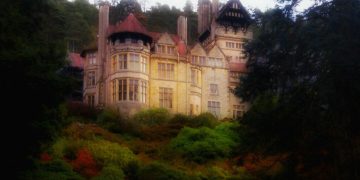
On the morning of 27 January, up to 500 men and boys left the village and marched approximately three miles to Hardwick Hall, the home of Prest. Some men who had instigated the riot in Horden came armed with staves, stones, and hammers. However. others wanted to plead with Prest peaceably to restore credit for themselves and their family at the village shops, and to sort out the shift disagreement so they could return to work.
Because of the trouble the previous day, two police officers, Sergeant Robinson and PC McQuire were on duty at the Hall. In order to prevent reinforcements being sent from the extra police now stationed in Horden, some men from the crowd cut the telephone wires.
Occupants inside the house, Prest and his family along with their servants, would have heard of the troubles on the previous day, so inside the Hall they would be fearful of what could happen. Prest barricaded the place and positioned himself on the roof of the building, shotgun in hand. The crowd arrived about one o’clock and Prest asked what they wanted. A shower of stones, threats against him and threats to burn down the house was the response.
Confrontation with the colliery manager
Ringleaders incited the crowd to violence. Stones were thrown at the windows, greenhouses and garden ornaments were destroyed. A car was thrown down a cliff and a wrecked landau was later discovered down the Dene. John Prest came down from his vantage point to confront the mob. Men broke into the Hall so he fired his gun to frighten them. One report suggested he fired over their heads, but another newspaper report states that he discharged his gun into the midst of the crowd. The latter is probably true as several men were reported as having pellet wounds and one 14-year-old boy was wounded so badly that he needed hospital treatment.
A message alerted the police in Horden and reinforcements arrived. A baton attack occurred and several men were injured, one seriously. Stones were thrown at the police with one policeman being hit on the head. However, the baton attack caused the crowd to disperse and Hardwick Hall was placed under police guard overnight.
Fire-raisers set Horden Club alight
With few police in Horden some decided, despite others trying to calm them down, that there would be further action. Between 1,500 and 2,000 people gathered outside the Club. Thomas Fallon, John Robert Johnson, and Robert Young piled up furniture in an upstairs room in the Club, set it alight, and dragged more furniture towards the blaze to extend the fire before they rapidly left the Club.
Attempts were unsuccessfully made by some to extinguish the blaze but to no avail. The large building and the house next door were soon ablaze. Smoke and flames rose into the sky; some were jubilant whilst others watched unable to do anything. Extra police returned to the village. Reinforcements were sent by train from Newcastle and it was suggested there was a military presence.
The end of the riot, and resolution
Early the next morning a strong police force quietly arrested the ringleaders. They were conveyed by train to Durham jail with scarcely anyone knowing, in order to avoid further trouble. Over 200 policemen stayed in the village. Nine of the arrested were sent to prison. The supposed ringleader, Thomas Fallon was sentenced to five years hard labour.
In July 1910 Durham County Council authorised payment of £9,662 as compensation done during the riots. The ratepayers had to foot the bill. It was 16 weeks before the miners returned to work, driven back by poverty and near starvation.