



If the government is serious about tackling crime and believes handing powers to local leaders as part of the devolution project will be the way to do this, I’ve got some hard truths for them.
Omnishambles
Devolution doesn’t work. At least not in the Tees Valley. You cannot expect councillors and cabinet members to have regional oversight whilst also trying to run their own Local Authorities. Tees Valley Combined Authority (TVCA) meetings are often infrequent and inquorate. The Combined Authority (CA) model is based on the London Assembly. This would work well if CAs actually had directly elected members and it is the only way to resolve the issue. Members are having trying to do their job with one hand tied behind their backs. If the government is serious about devolution. This must be implemented.
They’ll never learn
There has been no marked improvement within the way meetings are run since a Best Value Notice was placed on the TVCA back in April. For example, the last Overview and Scrutiny meeting did not have a monitoring officer nor deputy in attendance. How can members scrutinise the work set out by the TVCA without legal oversight?
Unlawful assembly
The Audit and Governance meeting that took place on 27 November would not have been lawful either. The agenda is published a week before meetings take place. By law they have to state the date, time and place and publish it five clear working days in advance. The documents do no such thing and anything actioned within this meeting would have been unlawful. It took a member of the public, Gill Tarry, to point this out to the committee by handing a letter to the chair, Councillor Mandy Porter. After an hour of deliberations behind closed doors the meeting was formally opened and closed to the public and the following was posted to the TVCA website.

When approached for comment about bringing the letter to the committee to inform them of their legal duty Gill said, “Making the error in the first instance is one thing, but compounding it after it was brought to their attention is far more concerning. I regret that members were inconvenienced, but more importantly, essential business could not be conducted due to the TVCA’s incompetence.”
This is deeply concerning when a public body can’t get basic governance legal practices right and it takes a member of the public to point this out, but the government wants to extend their powers to oversee the police force as well.
From the horse’s mouth
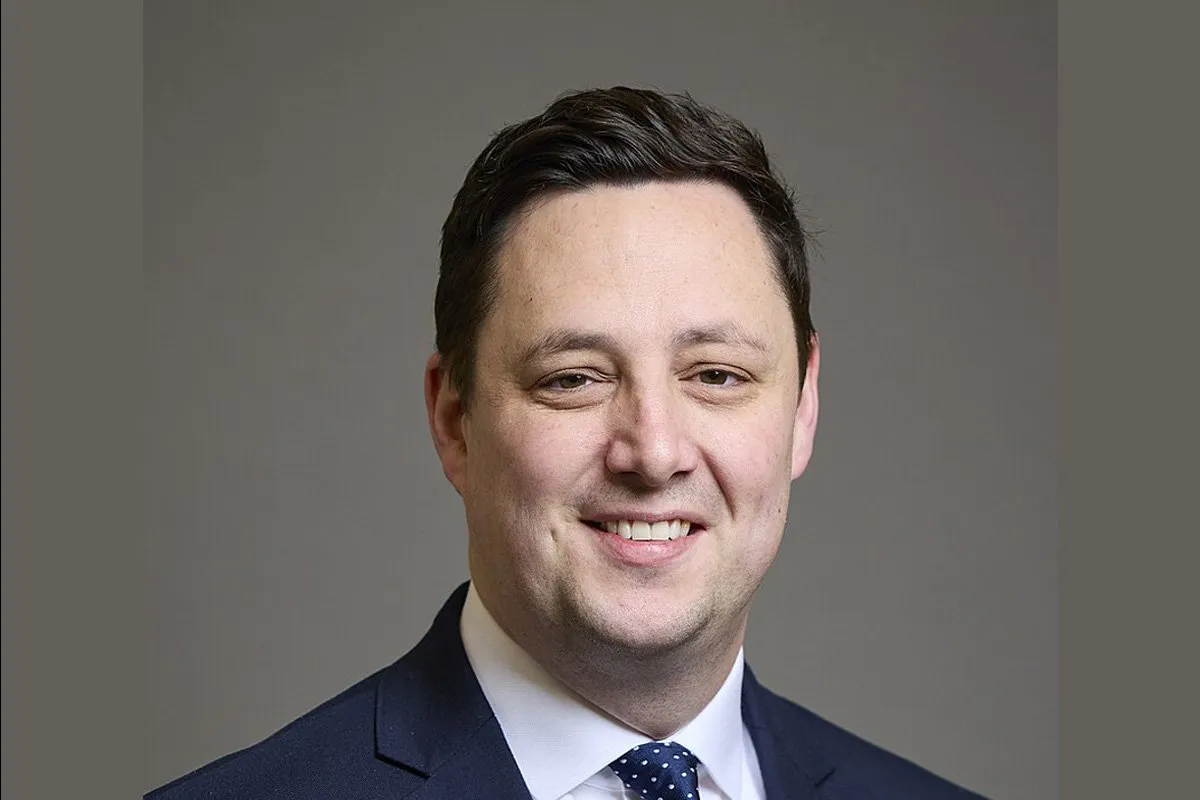
So, what does the TVCA leader Mayor Lord Ben Houchen think of these new powers? He actually laid it bare back in September when giving evidence to the Public Bill Committee. He stated:
“There has been a huge Government push, in recent months, to try to get the co-ordination and coterminous boundaries to match, because this Government have definitely doubled down on the idea that mayors should be both police and crime commissioners and in charge of the fire authority.
It probably does not surprise many people in this room that I am one of the exceptions among pretty much all the mayors that are currently elected. Again, for me, it comes back to the strategic point. It is not particularly about the police; it is about the role of the mayor and the role of the combined authority. I personally believe-and I would say this, would I not?—that one of the reasons many of the combined authorities have been so successful is because we have a very narrow remit, which is largely economic regeneration, investment and job creation. That obviously links in to things such as transport and skills, and there is therefore a logical argument to take that further to health, policing and fire and so on.
I would go a different way. If it were me—as I have said, it is not me and it will not be me-l would not give us such broad powers.
I would not give me police or fire. What I would give me is more powers over the things I already have a remit for. I would go deeper, rather than broader.
I would therefore try to build into a Bill the need and requirement for better consultation and co-ordination with other democratically elected leaders. The LRF is a perfect example of better co-ordination. The mayor should be on the local resilience forum-that is just a miss, because we are brand new. It does not mean that we have to take over the local resilience forum and be in charge of it all; I think the concept goes beyond that.
Obviously, I would say that, as a small-state Conservative, because the more powers you give us, the broader, the more bureaucratic and the less effective we become. Keeping us narrow, but giving us more powers in relation to what we have control over, rather than just broadening it out, will give you better outcomes from us. As I say, I know that I am the exception to the rule in that opinion.”
Grandstanding
There is also the risk that giving the mayor power over the police would result in politicisation of the judicial system. This has been foreshadowed by Ben Houchen’s recent comments regarding the possible release of Billy Dunlop. It’s an example of populist interference with the deliberations of the Parole Board. We’d see a lot more of this and it may well be incredibly dangerous
Work in progress
So, for once, Lord Houchen and I are in agreement. Giving CAs sweeping powers over police forces when the framework is not there within the TVCA itself and has to be built from the ground up is a shocking thought.
Unhappy anniversary
Let’s put this into context, the TVCA is a decade old next year. They are currently rewriting their own constitution as it did not fall in line with overarching laws. If they are struggling to get the basics of governance right nearly a decade down the line should they be given these powers? Mayor Houchen doesn’t believe so and I don’t either.



