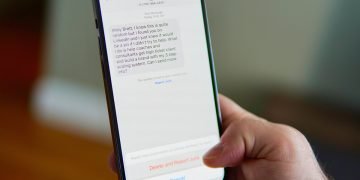

Read on to find out how cancelling your card doesn’t always keep you safe from scammers, how you can avoid identity theft and why you should beware Amazon ‘one-time passcode’ scams.
Why cancelling your card might not stop fraud
If your credit card is stolen or lost it is of course important to report this immediately to the card provider. It is also advisable to immediately cancel the card.
You are also advised to monitor your account carefully, follow up with your bank to make sure that the cancellation was processed and update any recurring payments that were on the old card.
All that is straight forward and you may perhaps have had to do those things in the past.
However new information released by Which? suggests that you can still have problems, as a fraudster can sometimes still keep spending on your card even after you’ve cancelled it and received a replacement
Getting a new card and spotting fraudulent payments doesn’t always guarantee that the problem is over. It has been found that on occasions, fraudsters who have saved your details online can “automatically receive your new card information”.
You can find out how that can happen and what you can do to protect yourself here.
How to reduce the risk of repeat card fraud
There are steps you can take to and to prevent recurrent fraud and so prevent your card details being compromised:
- Learn how to spot an online shopping scam or a phishing message so that you can avoid handing your card details to a fraudster.
- Don’t save your card details on online accounts unless there’s a clear benefit.
- Report any unauthorised transactions to your bank immediately if you find them, and ask them to immediately cancel and replace your card. You shouldn’t lose money for fraud you didn’t authorise.
- Ask your bank to ‘wipe’ wallets and online accounts linked to your card. This will stop them being auto-updated.
- On the other hand, you can opt out of updater schemes altogether. (Both these options will mean that you’ll need to update genuine accounts manually).
- Monitor for more suspicious transactions, by keeping an eye on your account in the months after card fraud, to and immediately question anything unexpected.
How to spot identity theft
Identify theft is described as being when somebody uses your personal information without your permission. This could include information such as your bank account number, any credit card information or your Social Security number. This information is then used to commit fraud or acquire financial benefits. Thieves can use your information to open up new accounts without your permission, access personal accounts, commit crimes or make unauthorized transactions.
It is also noted that “thieves can steal anything from a credit card or bank account number to a driver’s license or passport. Victims of identity theft often end up with damaged credit, incorrect information added to their records, or wrongful arrest”.
To help combat identity fraud Which? has issued a checklist of 15 things you can do to keep yourself safe and you can find the list here .
If you have been a victim of identity fraud, you should contact the local police, your credit card company, and your bank, as soon as possible on the non-emergency phone number, 101, to let them know the situation.
You can also report the fraud via Report Fraud (formerly known as Action Fraud), the police’s fraud-reporting service.
You can feel very vulnerable if you are a victim of ID fraud. Which? notes that Victim Support offers a free and confidential support service for victims of crime. Call Supportline on 08 08 16 89 111 or you can access Text Relay by using the Relay UK app.
Beware of Amazon ‘one-time passcode’ scams
Which? has also advised fraudsters are impersonating Amazon by cold-calling people. They then claim that your account has been used for fraudulent activity.
Which? goes on to say that, “this is known as the ‘one-time passcode scam’ as the scammers use key information, they already have on you to convince you to grant them access to your Amazon account”.
Which? also noted that they have warned about a similar scam before when phone company O2 was impersonated by fraudsters who were trying to use scam calls to access customer accounts.
You can learn more about how to avoid this particular scam here .
Scam Sharer tool
For information on how to share scam warnings and help protect others, see Which?’s Scam Sharer tool.

CLICK HERE TO DONATE TO OUR CROWDFUNDER
HELP US BECOME STRONGER SO THAT WE CAN CONTINUE TO DELIVER POWERFUL CITIZEN JOURNALISM!